

tags
active directory
47 entradas
20 entradas
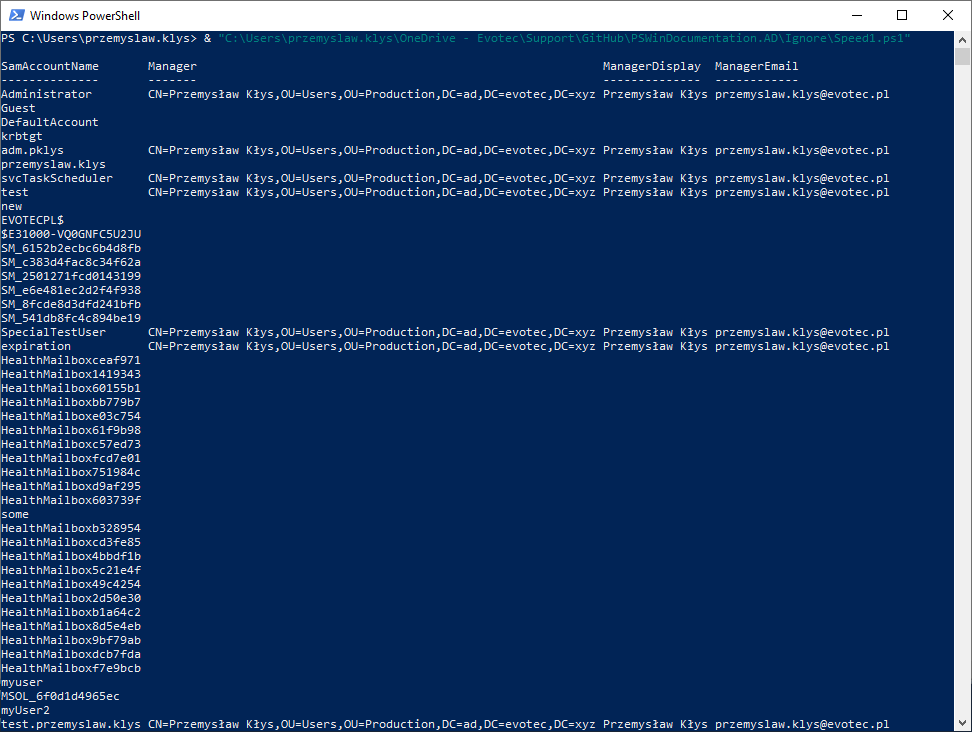
How I didn’t know how powerful and fast hashtables are
I’ve been using PowerShell for a long while now using Hashtables, OrderedDictionary, and other types of data types in PowerShell, but I nev…

How to find different server types in Active Directory with PowerShell
Working as a freelancer is a great thing if you can handle it. Each day, each week something new happens and a new problem shows up on my d…
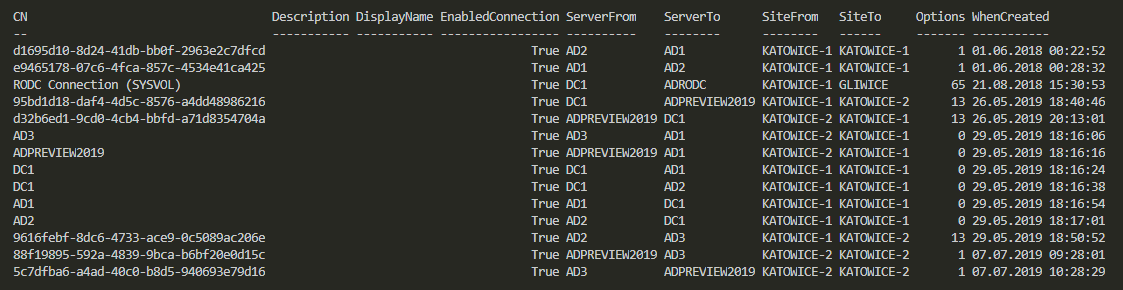
Instant Replication between Active Directory sites with PowerShell
In Active Directory when you change something, it’s replicated to other Domain Controllers regularly. It’s a standard procedure that happen…
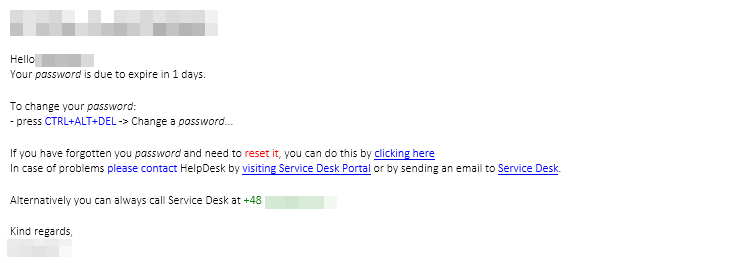
Just different approach to Active Directory Password Notifications
A long time ago I’ve maintained a C# version of Password Expiry reminders. It was working based on HTML templates…

Mastering Active Directory Hygiene: Automating Stale Computer Cleanup with CleanupMonster
Have you ever looked at your Active Directory and wondered, “Why do I still have computers listed that haven’t been turned on since World C…
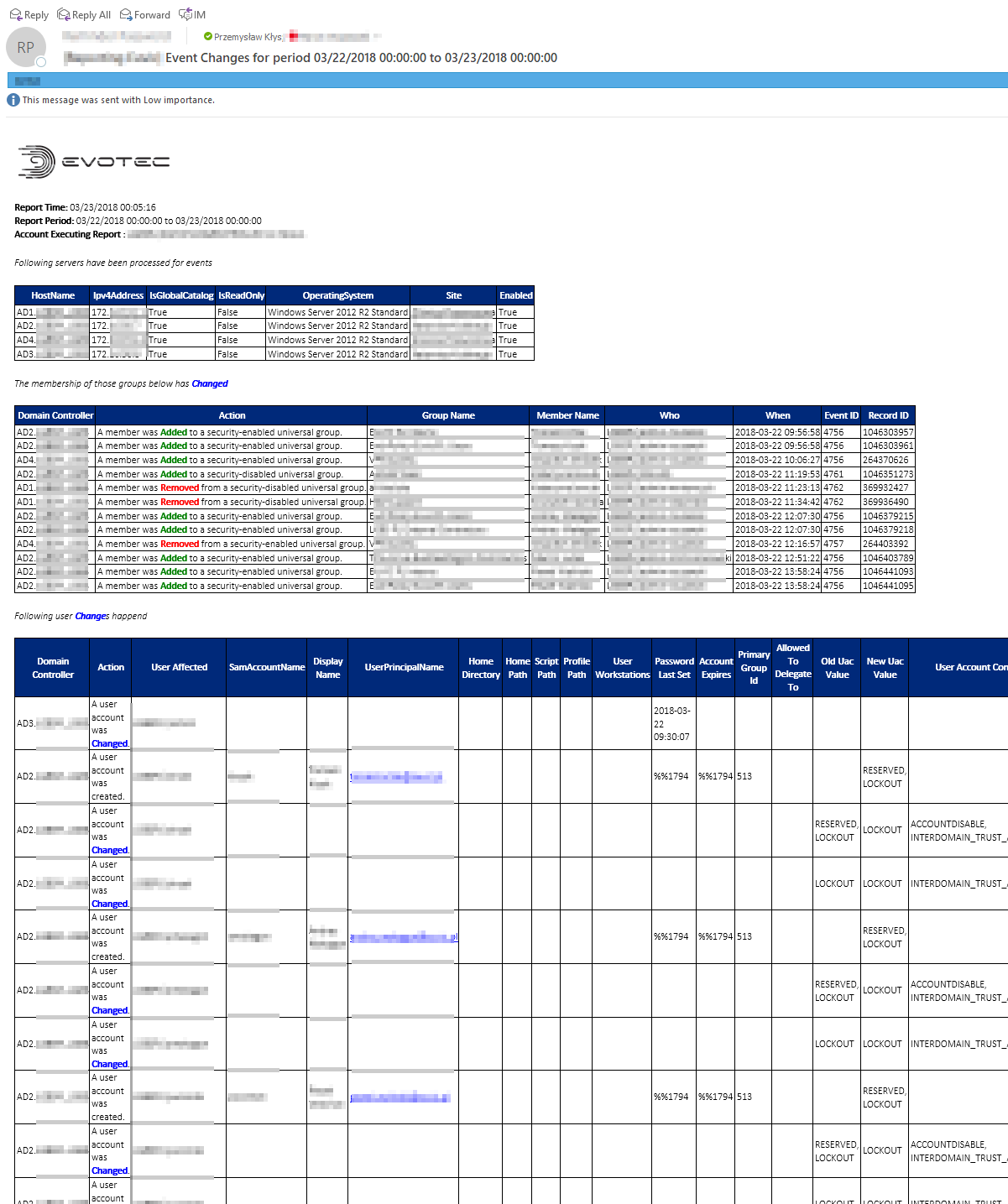
Monitoring Active Directory Changes on Users and Groups with PowerShell
Working as Administrator with Active Directory can be rewarding. You can easily deploy new settings, make changes to users even…
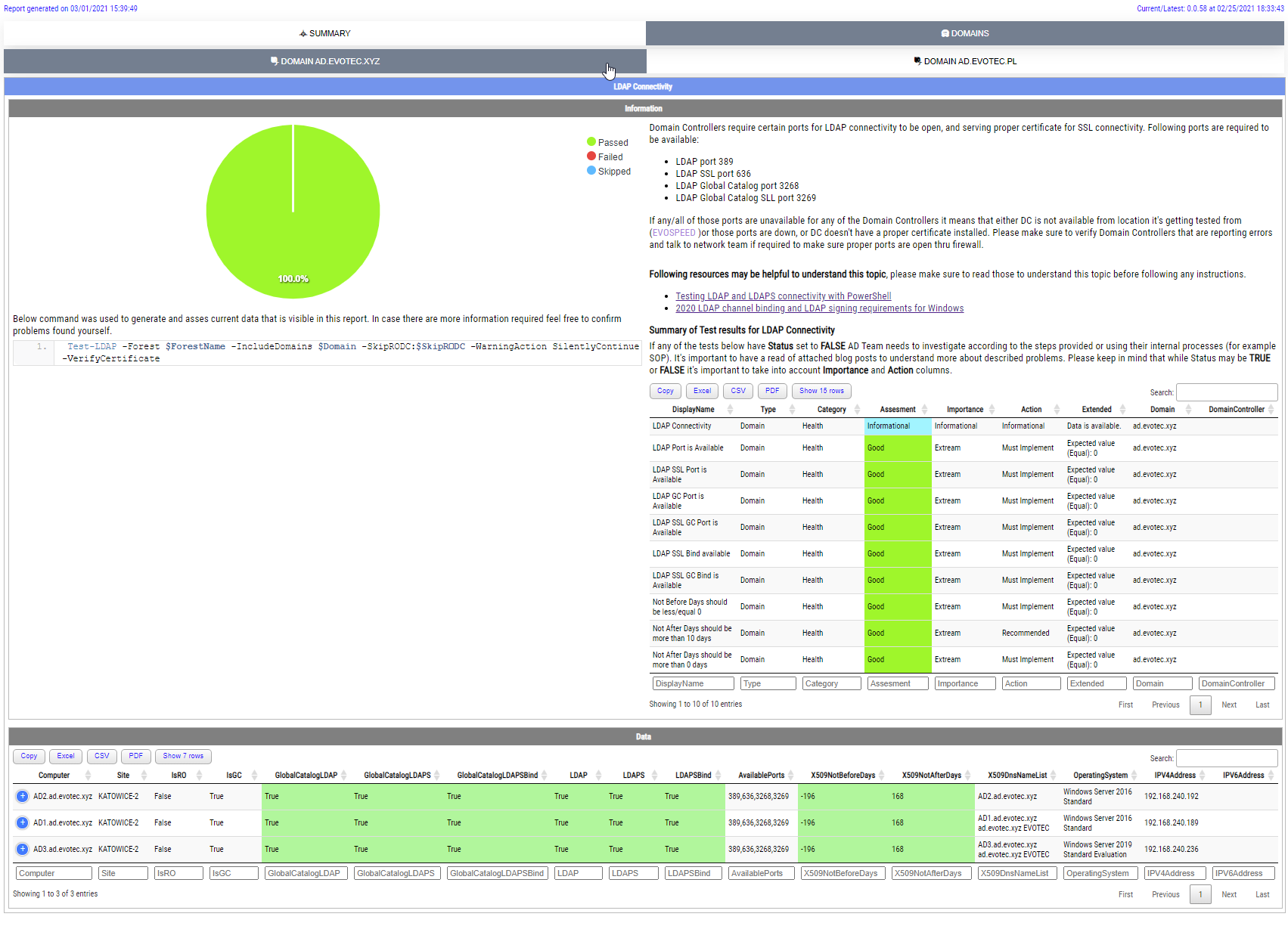
Monitoring LDAPS connectivity/certificate with PowerShell
Some time ago, I wrote a blog post on checking for LDAP, LDAPS, LDAP GC, and LDAPS GC ports with PowerShell. It mostly works, but it requir…
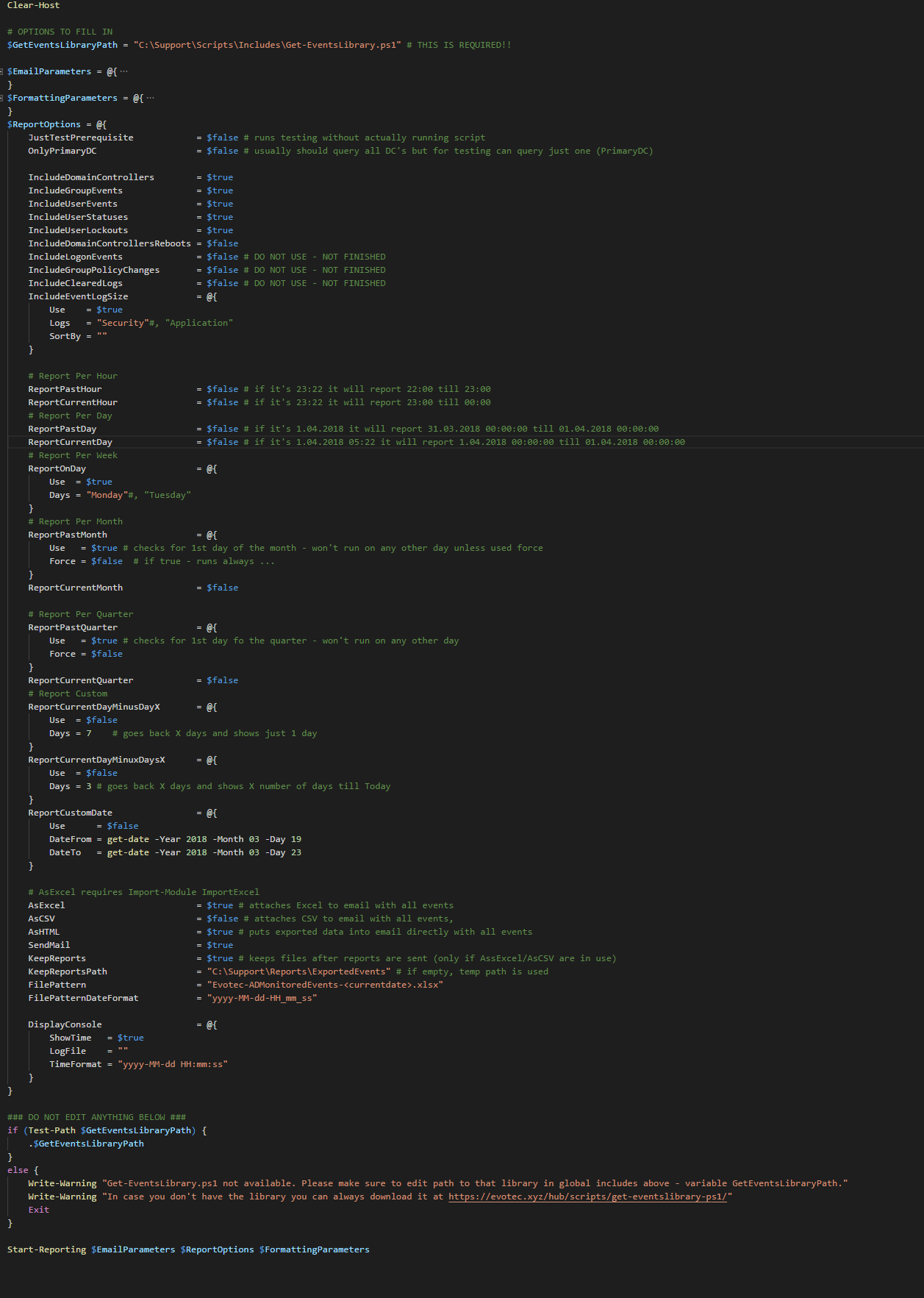
Monitoring User, Groups Changes in Active Directory – version 0.8
💡 Little introduction Event Monitoring solution written in PowerShell is an event library (Get-EventsLibrary.ps1) script that parses Secur…
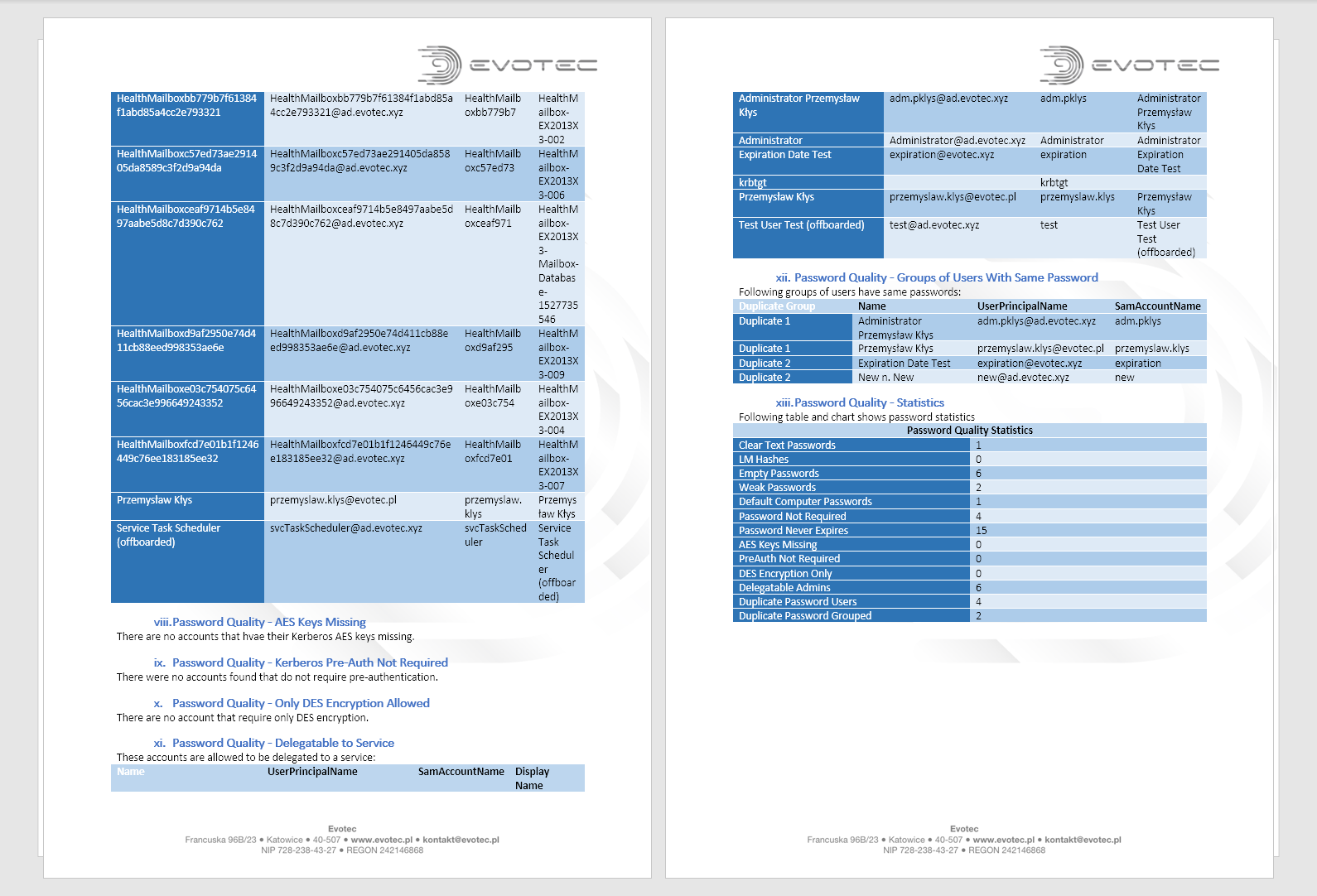
PSWinDocumentation – Audit Active Directory Passwords
Audit Active Directory passwords with PSWinDocumentation and breached-password data to find weak, reused, or exposed credentials before att…

PSWinDocumentation – Version 0.1 with Word / Excel export
A few weeks ago I’ve released my first version of PSWinDocumentation. It was simple, one command module where you start it and get some bas…
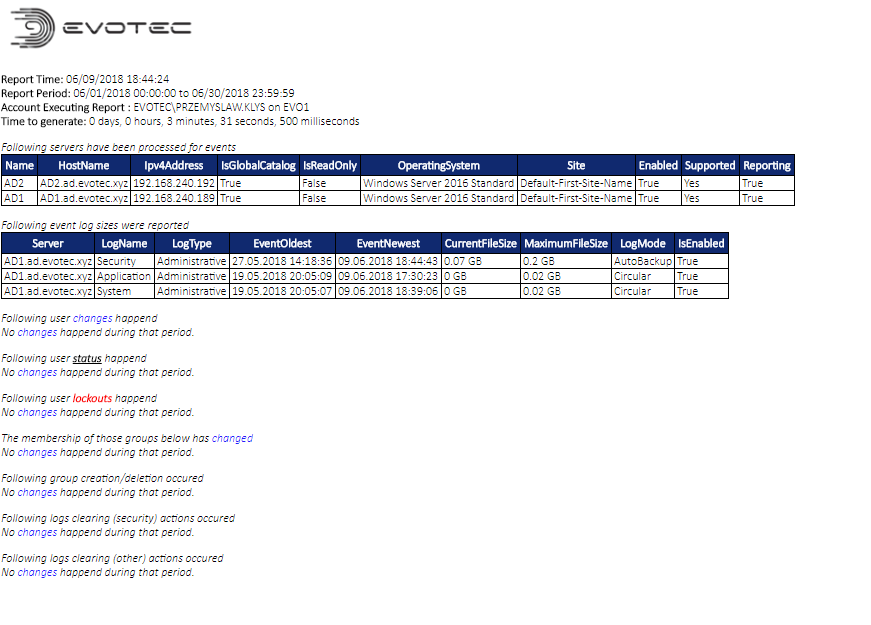
PSWinReporting 1.0 – Monitoring Active Directrory Events
Few months after initial release a new public version of PSWinReporting 1.0 is released. While the name might not be…
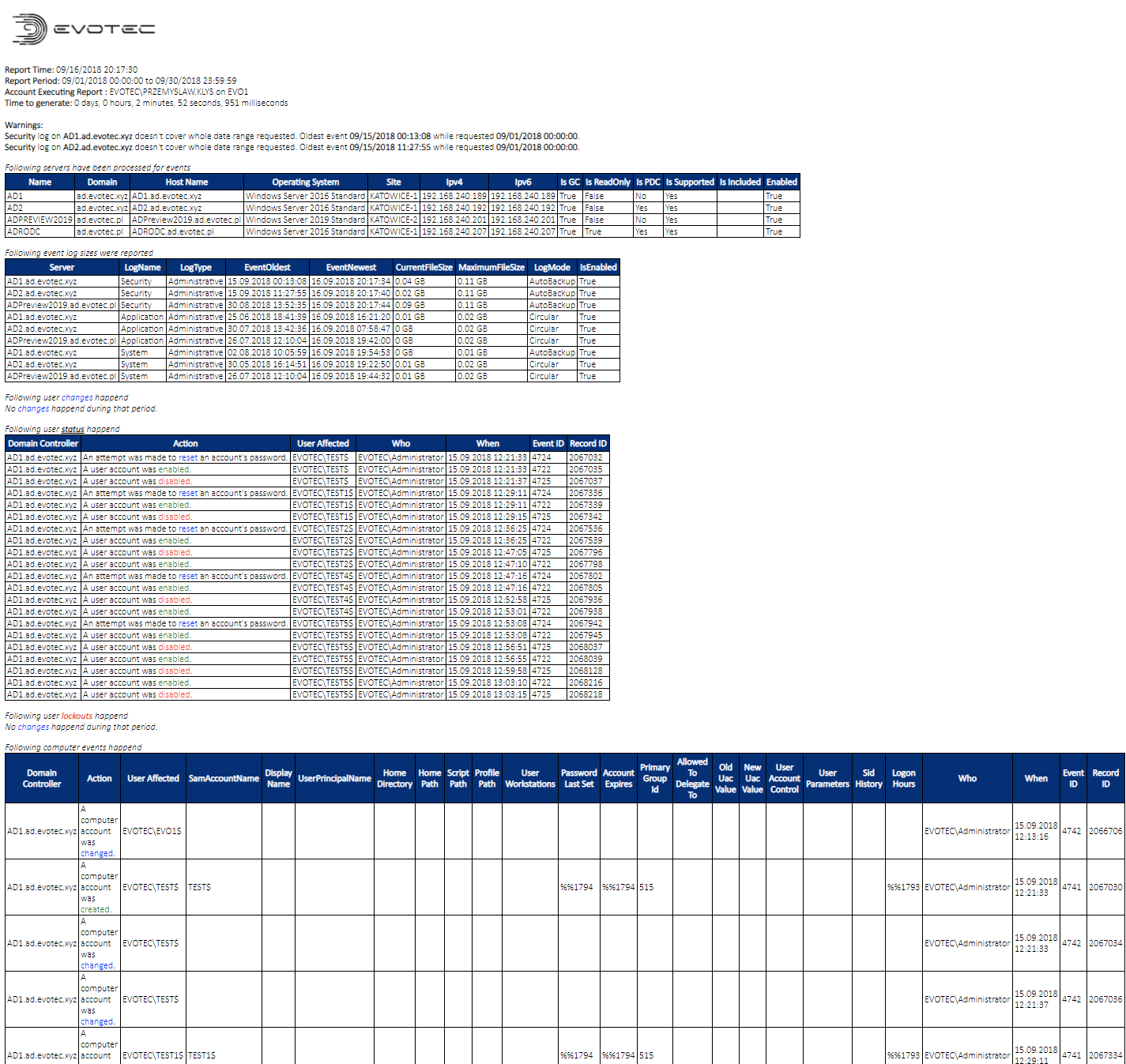
PSWinReporting – Forwarders, Microsoft Teams, Slack, Microsoft SQL and more
It’s been a while since PSWinReporting has been updated, or rather since I’ve written a blog post about it since it’s always…
Remove Protect Object setting from Organizational Unit via PowerShell
Use PowerShell to find OUs protected from accidental deletion and remove that flag in bulk when you need to move or clean them up carefully.
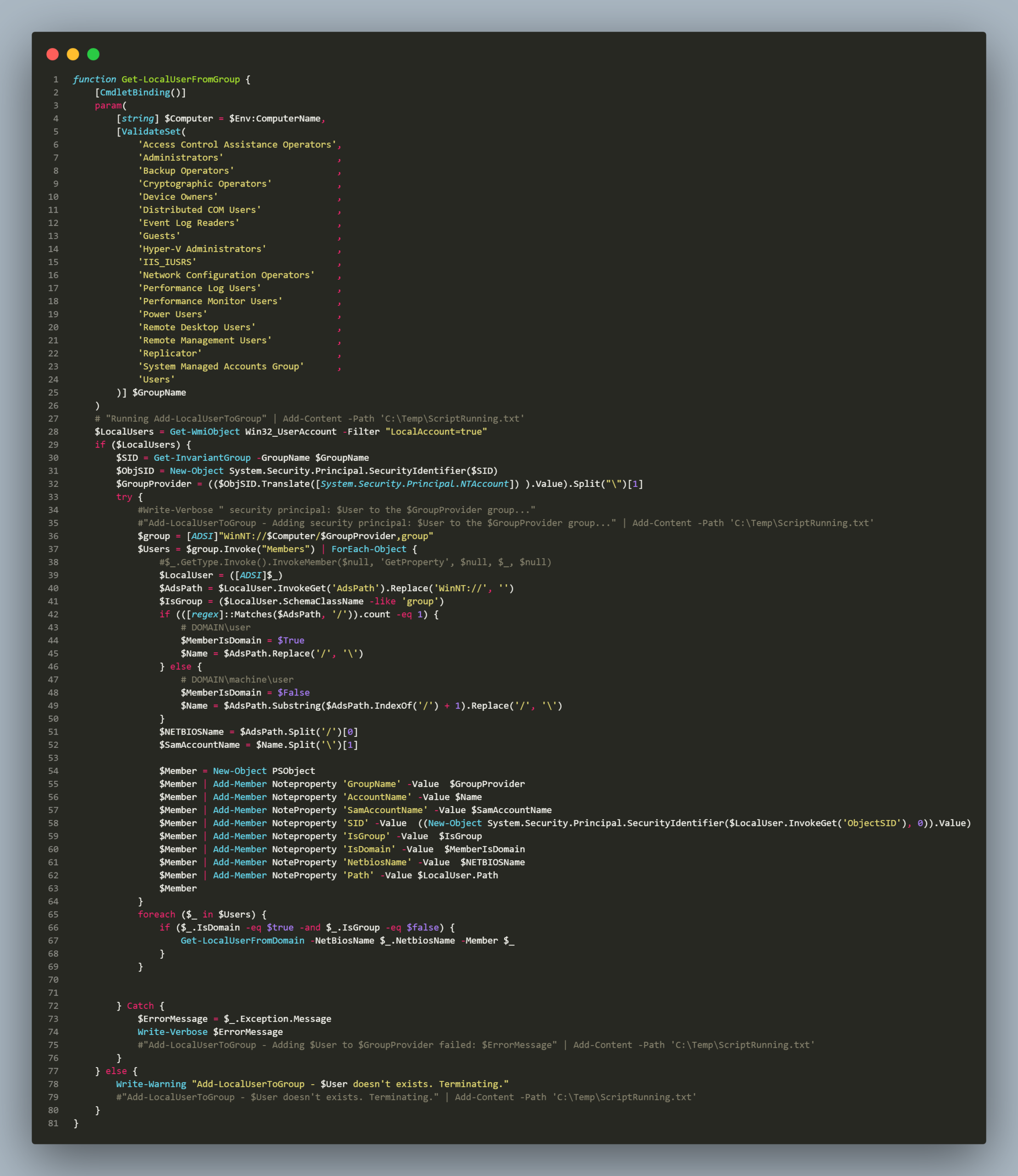
Removing user from local administrator group based on data stored in Active Directory
We need to deal with a group names through SID’s rather than names because each group name is different in different languages. The second…
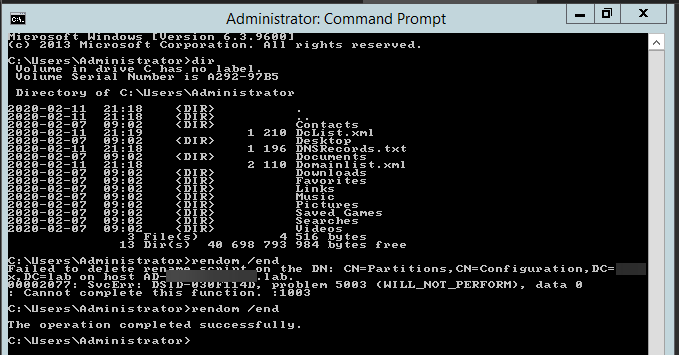
Renaming NETBIOS name of Active Directory Error
Recently I was testing renaming the NETBIOS name of an Active Directory domain. While this process is fairly easy, there are a few gotcha’s…
Report Active Directory Accounts that are Synchronized with Azure AD
I was scrolling X (aka Twitter) today and saw this blog post, “PowerShell: Report On-Premises Active Directory Accounts that are Synchroniz…
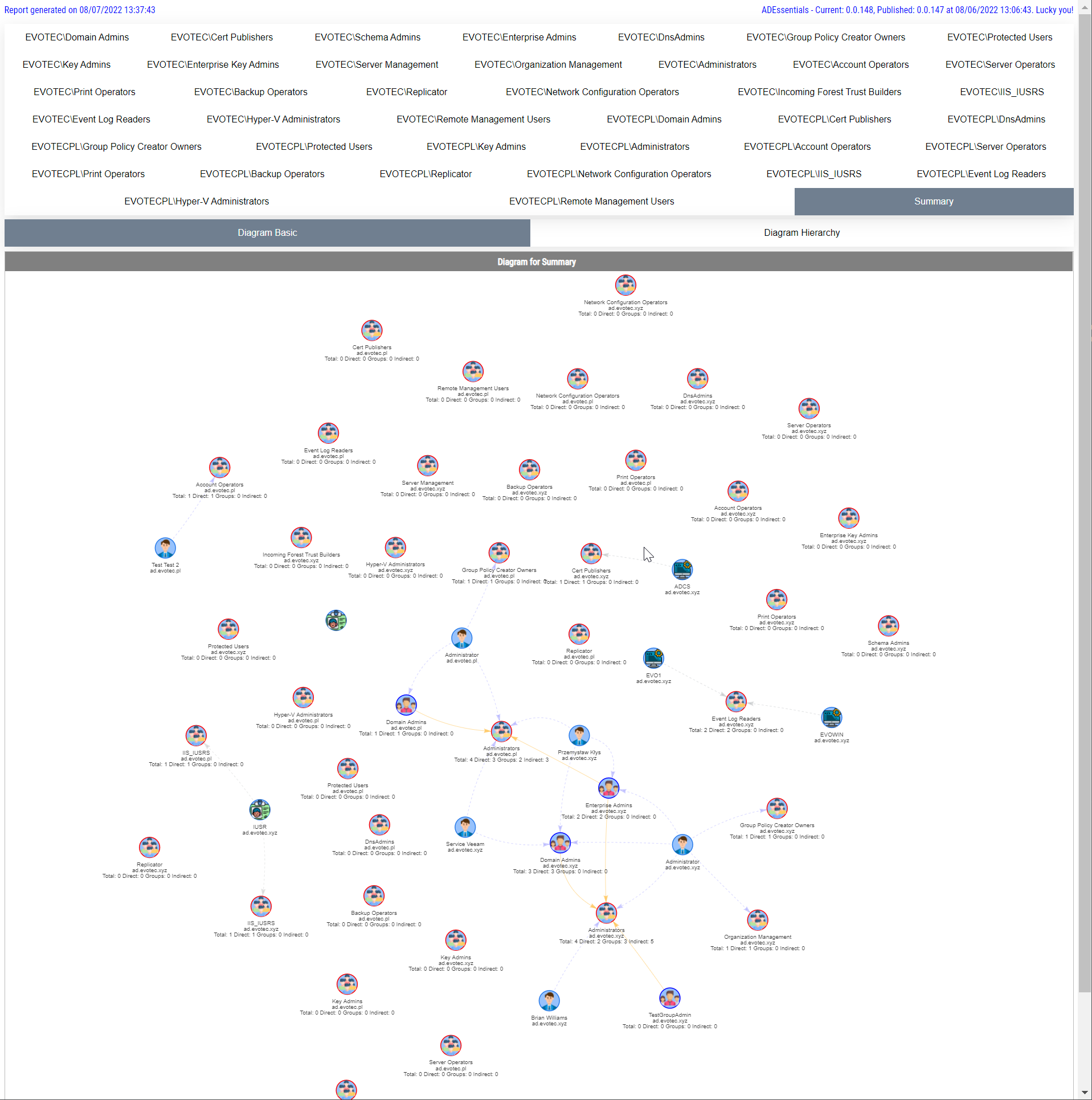
Reporting group membership for critical Active Directory groups
I work a lot with Active Directory-related tasks. One of the tasks is to know the group membership of critical Active Directory Groups such…
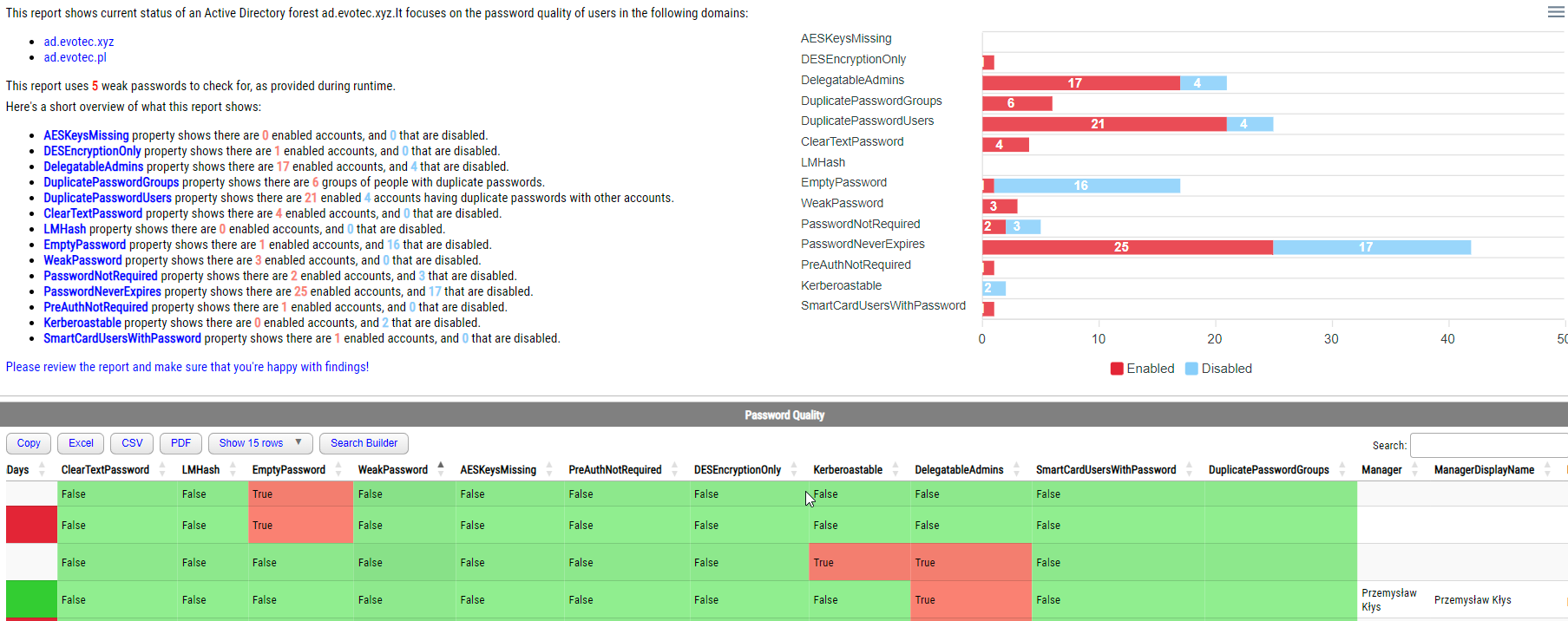
Strengthening Password Security in Active Directory: A PowerShell-Powered Approach
PasswordSolution uses the DSInternals PowerShell module to gather Active Directory hashes and then combines that data into a prettified rep…

Synchronizing Active Directory with External Time Source
Synchronize Active Directory with an external time source to keep domain time accurate and avoid authentication or replication issues.

Testing LDAP and LDAPS connectivity with PowerShell
One of the common ways to connect to Active Directory is thru LDAP protocol. There are a lot of applications that talk to AD via LDAP. By d…