

blog
Exchange Server 2013 – Cumulative Update 10 (CU10) Released
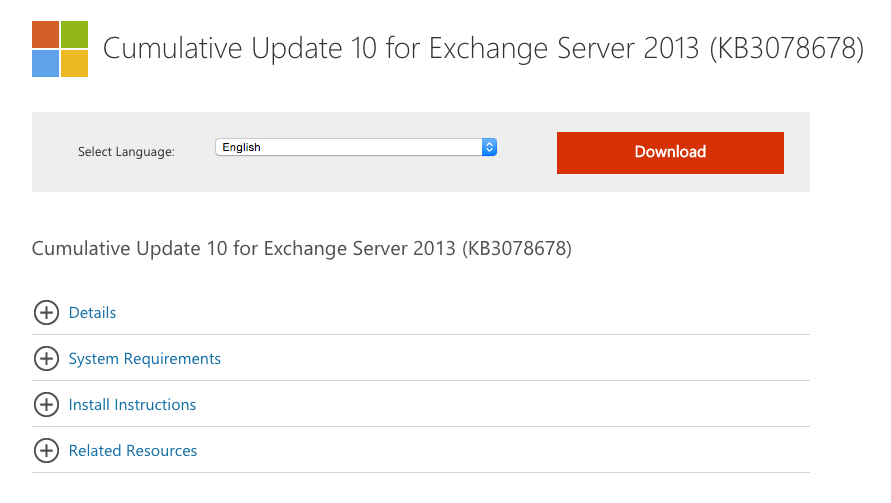
On September 15, 2015, Microsoft released Exchange Server 2013 CU10. Like other cumulative updates for Exchange, this was a full build that could be used both for upgrades and for fresh installations.
Why CU10 mattered
The biggest practical reason many admins cared about CU10 was coexistence planning. This became the minimum Exchange Server 2013 version required for supported coexistence with Exchange Server 2016.
So even if you were not chasing a specific bug fix, CU10 was an important stepping stone for organizations planning a migration path rather than staying permanently on older Exchange builds.
What to keep in mind before installing
This update included a long list of fixes and security-related changes, but from an operational point of view the more important reminder was this:
- Exchange cumulative updates are effectively full product builds
- they deserve lab validation or at least a staged rollout
- they can require directory preparation steps and the right permissions
For CU10, Microsoft noted that while it did not introduce Active Directory schema changes, it did include additional RBAC definitions, which could require PrepareAD to run before the first server upgrade.
Release notes
The original CU10 release materials listed a long set of fixes across areas such as:
- Outlook Web App behavior
- mailbox access and migration scenarios
- search and eDiscovery issues
- audit logging
- attachment handling
That breadth is typical for Exchange cumulative updates and is one more reason they should be treated as real change events, not tiny hotfixes.
Current note
This post is now primarily migration history.
Microsoft support for Exchange Server 2013 ended on April 11, 2023, so CU10 is no longer something to target as a current-state recommendation. The useful part that remains is historical: if you are reading old migration notes or inherited documentation, CU10 was one of the key Exchange 2013 milestones for Exchange 2016 coexistence planning.